Unveiling the Arctic's Stormy Secrets
The Arctic, a region often associated with tranquility and icy solitude, is not immune to the wrath of nature. Back-to-back storms, a phenomenon known as 'cyclone clustering', have emerged as a significant force shaping the Arctic's frozen landscape. This article delves into the intriguing world of these storms, exploring their impact on sea ice and the broader implications for the Arctic's future.
The Power of Cyclone Clustering
Imagine a series of storms, each bringing its own chaos, arriving one after another without respite. This is the essence of cyclone clustering, a weather pattern that has caught the attention of scientists. Dr. Lars Aue and his team at the Alfred Wegener Institute have dedicated their research to understanding this phenomenon, and their findings are nothing short of fascinating.
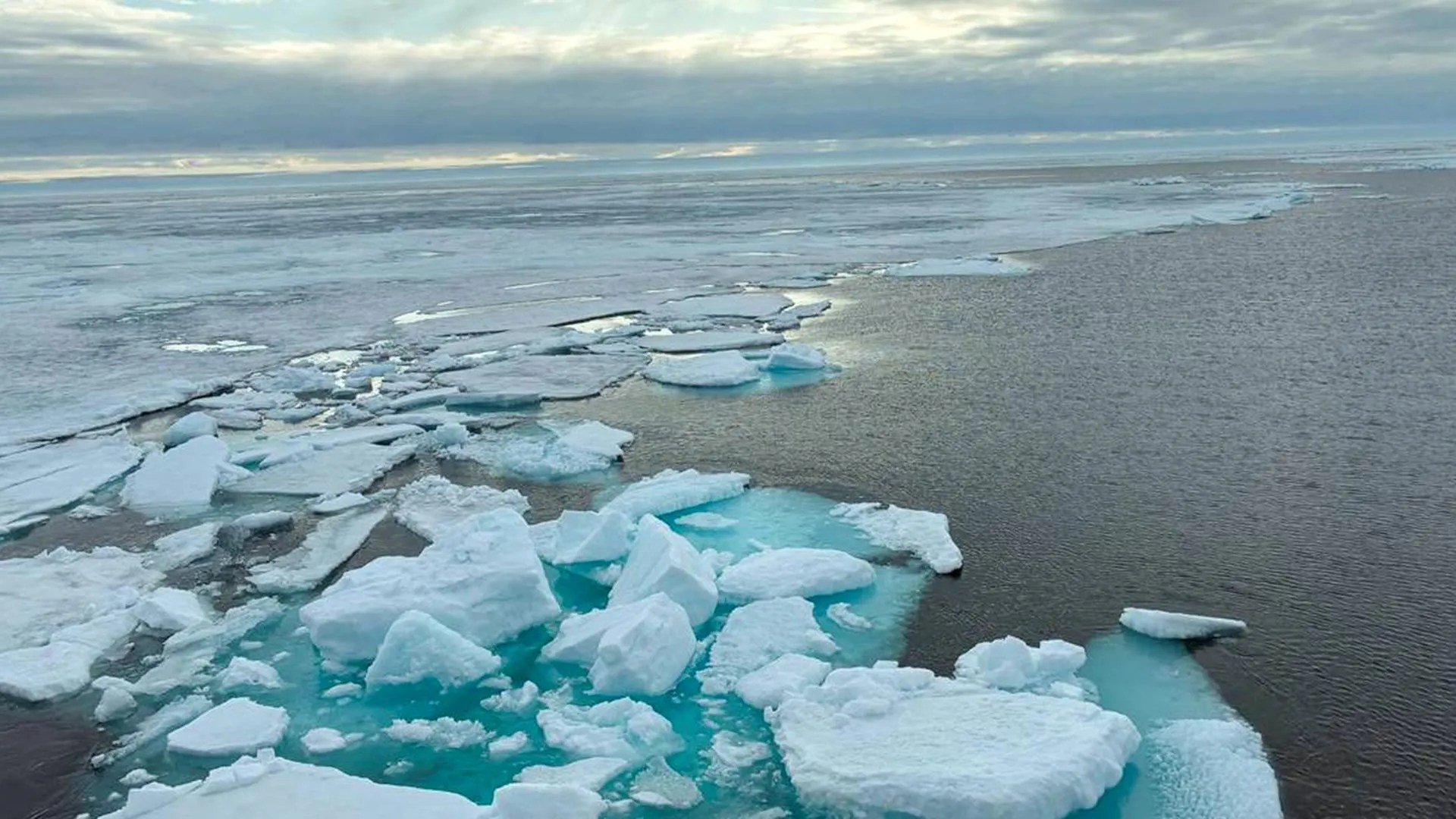
What makes this particularly fascinating is the cumulative effect of these storms. Each cyclone, with its powerful winds and turbulent conditions, fractures and displaces sea ice. But when multiple cyclones strike in quick succession, the impact is amplified. The ice, already weakened by the first storm, struggles to recover, leading to a significant loss of sea ice cover.
In my opinion, this reveals a delicate balance in the Arctic ecosystem. The sea ice, a vital component, is vulnerable to these storm clusters, and its retreat has far-reaching consequences.
A Tale of Two Seasons
The behavior of cyclone clusters varies with the seasons, showcasing nature's complexity. During the Arctic winter, newly opened gaps in the ice would typically refreeze. However, the rapid succession of storms prevents this natural healing process, leaving the ice vulnerable.
As we transition to warmer months, the storms' intensity may lessen, but their impact persists. Winds drive ice floes northward, compressing the ice cover and altering local conditions. Additionally, the storms bring warmer air and seawater, promoting melting from above and below. This dual assault on the ice is a worrying development, especially as global temperatures rise.
A Troubling Trend
The research team's findings paint a concerning picture. Sea ice loss associated with cyclone clusters has been on the rise, and there's a likely culprit: the changing nature of Arctic sea ice itself. As temperatures climb, the ice becomes thinner and more mobile, making it an easier target for these storms.
If you take a step back and think about it, we might be witnessing a vicious cycle. The weakening of sea ice allows for more significant storm impacts, which, in turn, further weakens the ice. This feedback loop could have severe consequences for the Arctic's future.
Beyond the Ice
The implications of cyclone clustering extend beyond the sea ice itself. The ice acts as a natural barrier, shielding Arctic coastlines from powerful waves. As the ice retreats, coastal communities become more exposed to the forces of nature. At the same time, increasing permafrost thaw weakens these coastlines, leaving them vulnerable to erosion and storm damage.
Accurately understanding and predicting cyclone clustering is, therefore, crucial. It's not just about the ice; it's about the entire Arctic ecosystem and the communities that depend on it. By filling this knowledge gap, researchers are laying the foundation for more accurate projections of the Arctic's future.
In conclusion, the Arctic's back-to-back storms are a force to be reckoned with. Their impact on sea ice and the broader ecosystem is a reminder of nature's power and our need to understand and adapt to these changing conditions. As we continue to explore and study these phenomena, we gain a deeper appreciation for the intricate dance between the Arctic and its weather systems.